How To Start An Evening Routine That'll Change Your Life
My evening routine prepares a few things for the next morning. It helps me avoid making every small decision when I'm just getting up.
Start with one task that would make tomorrow easier. Add more only if they fit the time and energy you have in the evening.
A short routine you can adapt is more useful than a long checklist you dread.
Info On This Page
Evening Routine Steps

After dinner is one possible time to begin. Choose another point in the evening if it works better for you.
1. Clear the table and gather the dishes. Wash them or load the dishwasher as appropriate.
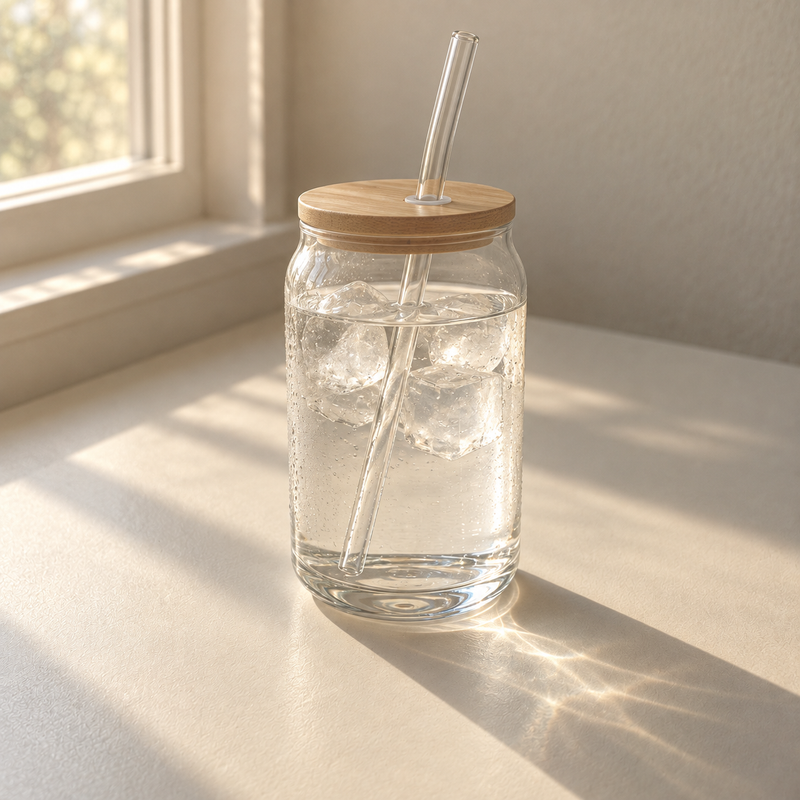
2. Put out what you need for breakfast or a morning drink, if that's helpful.
3. Prepare tomorrow's lunch if you need one, and refrigerate it.
4. Wipe the surfaces you want ready for the morning and put out a clean towel.
5. Choose tomorrow's clothes if you'd rather decide tonight.
You don't have to do every step. Leave time for the rest of your evening.
Family time
We often spend some time outside, playing in the yard or walking through the neighborhood.
Music, reading, a film, or a game are other ways we spend time together.
If you'd like company while living alone, you might call or message someone you care about.

Couples time

If you have a partner, a short conversation can be part of the evening.
Choose a time that suits you both, without making it another obligation to complete.
Personal time
I also try to leave some time for myself.
How much time I have varies.
I might shower, read, work on a personal project, or browse videos when I'm tired.

Evening Journaling

I review the day's task list in my bullet journal.
I mark finished tasks, remove ones that no longer matter, and decide what needs moving forward.
I sometimes add a note about something I want to remember from the day.
Then I write tomorrow's date and a short task list.
Choose a starting step
Try one useful preparation step tonight, then see whether you want to keep it.
Your routine can change with your schedule. Keep what helps and set aside what doesn't.